Before
Take a minute to describe what feels present before you begin.
About the project
Movement Is Thinking is a short experiment in noticing what your body knows before, during, and after you move.
We often imagine that thinking happens in the head and the body simply follows instructions.
But while you move, your body is constantly noticing, anticipating, adjusting, choosing, and responding. Movement is not what happens after thinking. It is one of the ways we think.
How it works
Take a minute to describe what feels present before you begin.
Move normally. If you notice something, notice it. You do not need to analyze yourself.
Describe what changed, surprised you, became easier, or became harder.
What it is
The questions help you pay attention to your own experience and describe it with a little more detail.
What it is not
The site does not interpret your body or tell you what you should feel. There is no correct answer and no ideal state to reach.
Where it began
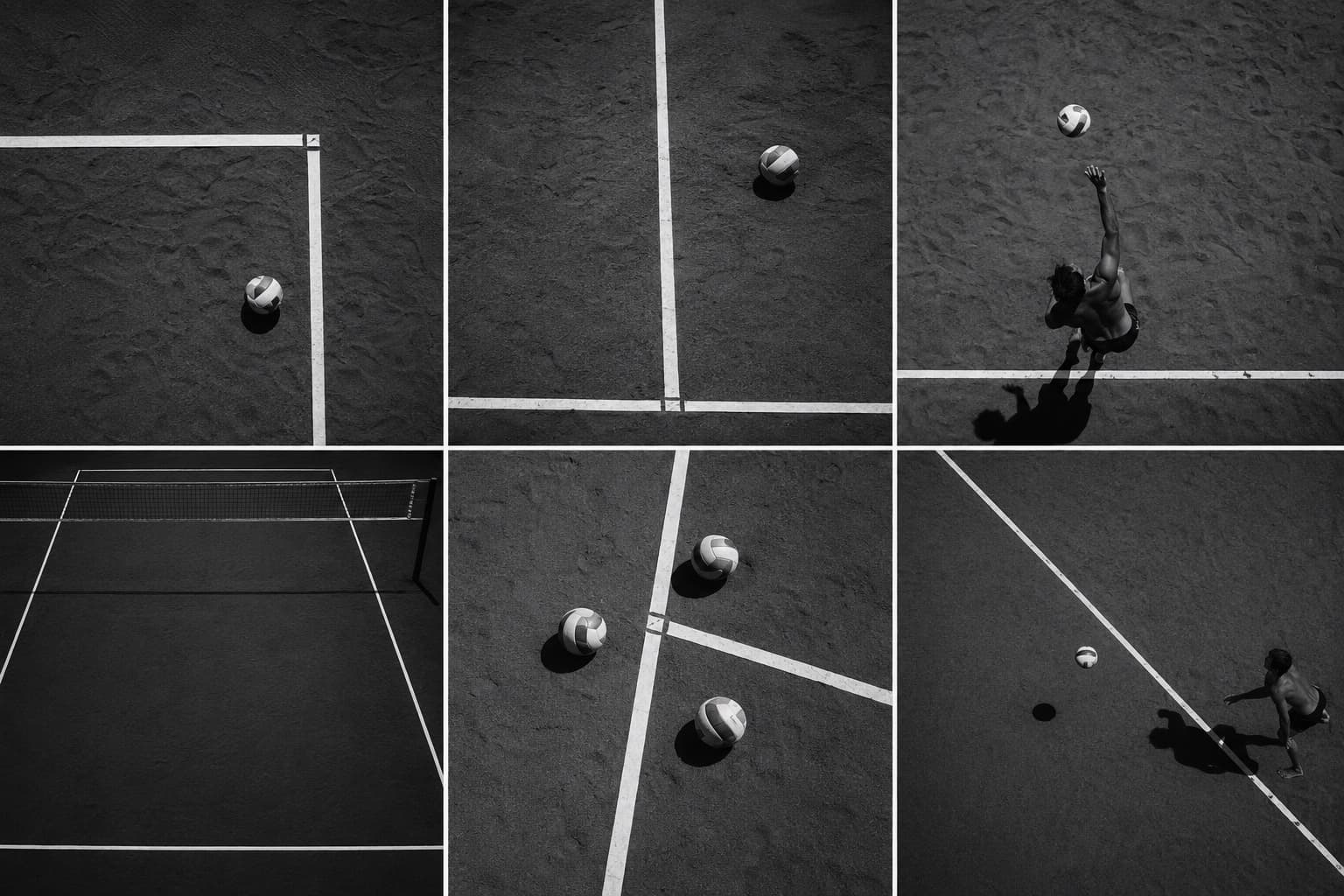
Sand, wind, fatigue, teammates, opponents, and the path of the ball are always changing. The body keeps perceiving and adapting, often before we can put any of it into words.
The same experiment can be used before and after walking, running, dancing, swimming, lifting, playing, or any other kind of movement.
Tell us what you think
We would like to hear about it.
hello@movementisthinking.comOne thing to remember
Even “paying attention made movement harder” is a useful observation.